
Adverse Effects vs Side Effects of Drugs: Key Differences and Clinical Benefits
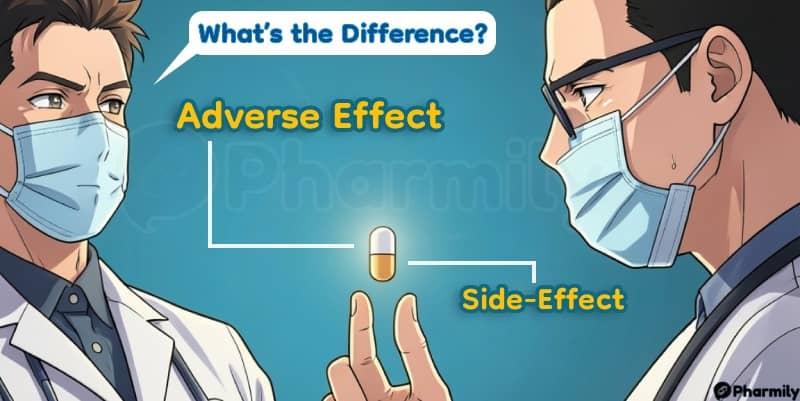
Hello! Pharm.... So, I just finished my internship and topic on the differences between Adverse effect and side effects of drugs/ medications, picked my interest.
In modern pharmacotherapy, understanding how our drugs/ medications affect the body goes beyond their intended therapeutic action.
Two commonly misunderstood terms— adverse effects and side effects —are often used interchangeably, but they have distinct meanings and clinical implications.
In this blog post, I broke down the differences, provided real-world clinical examples, and explained which of these effect can actually be beneficial.... Ok!.. Lets dive in 👇🤩
What Are Side Effects?
Side effects are secondary, unintended effects of a drug that occur alongside its primary therapeutic action.
- They are usually predictable based on the drug’s pharmacology
- Often dose-dependent
- May be mild, neutral, or even beneficial
Examples of Side Effects:
- Drowsiness from antihistamines
- Dry mouth from anticholinergic drugs
- Constipation from opióid analgesics
So just so you understand, while these effects are not the main goal of treatment, they are often expected and sometimes tolerated—or even utilized—in clinical practice.
What Are Adverse Effects?
Adverse effects (or adverse drug reactions) are harmful and unintended responses to a medication that occur at normal therapeutic doses.
- Typically undesirable and potentially dangerous
- May be predictable or unpredictable
- Can require dose adjustment, discontinuation, or medical intervention
Examples of Adverse Effects:
- Gastrointestinal bleeding from NSAIDs
- Severe hypotension from antihypertensives
- Liver toxicity from certain medications
Take note of these - Adverse effects are a major concern in patient safety and pharmacovigilance.
Key Differences Between Side Effects and Adverse Effects
| Features | Side effects | Adverse reaction |
| Nature | Secondary, unintended | Harmful, unintended |
| Predictability | Usually predictable | May be predictable or unpredictable |
| Clinical Impact | Sometimes tolerated or useful | Requires intervention |
| Severity | Often mild | Can be severe or life-threatening |
| Benefit Potential | Can be beneficial | Generally harmful |
Btw both, which are Clinically Beneficial?
side effects can be clinically beneficial, while adverse effects are generally not, below is a few examples 👇.
Beneficial Side Effects in Clinical Practice:
- Sedation from antihistamines used for insomnia
- Appetite stimulation from certain antidepressants
- Beta-blockers reducing anxiety symptoms
Form my experience, Clinicians sometimes leverage side effects to achieve additional therapeutic goals, a concept known as therapeutic exploitation of side effects.


Nous rejoindre
Responsive (side bar)2
Catégories
Lire la suite
Becoming a Pharmacist in India can be a dynamic and essential profession in India’s healthcare ecosystem. Pharmacists ensure the safe and effective use of medicines, counsel patients, and contribute to medical research and pharmaceutical manufacturing. With the growing healthcare needs of the country and expanding pharmaceutical industries, pharmacy offers a promising career path for...
In the ever changing world of pharmacy professional, staying connected, informed and up to date is key to success. Whether you're a pharmacist, pharmacy technician, researcher, or student, having a dedicated platform that fosters collaboration, knowledge-sharing, and career growth is invaluable. That’s where ePharmily comes in. Hence, in this article we will explores the reasons why...

The profession of pharmacy is one of the most rewarding and dynamic healthcare careers in the United States.Although, its challenging but its a highly rewarding journey, i can tell you that much. Just so you know!.. Pharmacists are healthcare professionals responsible for the safe distribution of medications, patient education, and drug therapy management. With their...
By a Pharmacist Who’s Been There. If you’re a pharmacist, you already know the reality. 🤨Long shifts. 🥸Staffing shortages. 😩Increasing targets. 💸Limited salary growth. And sometimes… 🤯burnout. I’ve stood behind the counter explaining medications for the hundredth time in a day and wondered: “Is this the only way to use my PharmD?” 🤔 The Good...
Hi ..... and welcome to todays, Frequently Asked Questions by Pharmacists. These are carefully selected questions with answers on your career goals as a pharmacist. its divided into 3 parts Part 1 = FAQs by aspiring Pharmacy students. Part 2 = FAQs by Pharmacists after graduation. Part 3 = FAQs by Pharmacists with over 5years Work experience. Hence, whether you're...