

Adverse Effects vs Side Effects of Drugs: Key Differences and Clinical Benefits
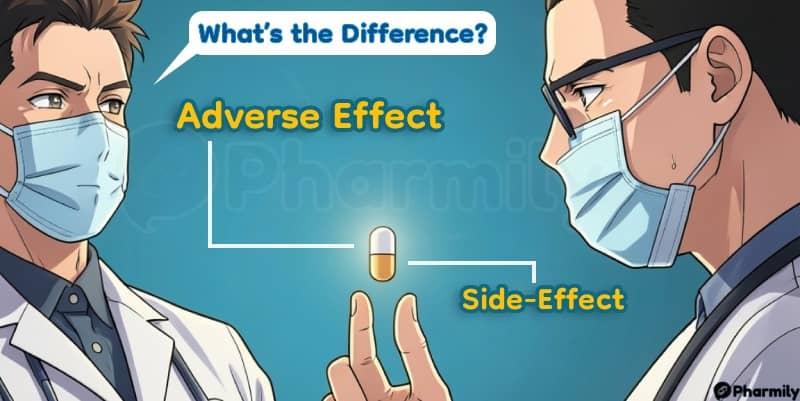
Hello! Pharm.... So, I just finished my internship and topic on the differences between Adverse effect and side effects of drugs/ medications, picked my interest.
In modern pharmacotherapy, understanding how our drugs/ medications affect the body goes beyond their intended therapeutic action.
Two commonly misunderstood terms— adverse effects and side effects —are often used interchangeably, but they have distinct meanings and clinical implications.
In this blog post, I broke down the differences, provided real-world clinical examples, and explained which of these effect can actually be beneficial.... Ok!.. Lets dive in 👇🤩
What Are Side Effects?
Side effects are secondary, unintended effects of a drug that occur alongside its primary therapeutic action.
- They are usually predictable based on the drug’s pharmacology
- Often dose-dependent
- May be mild, neutral, or even beneficial
Examples of Side Effects:
- Drowsiness from antihistamines
- Dry mouth from anticholinergic drugs
- Constipation from opióid analgesics
So just so you understand, while these effects are not the main goal of treatment, they are often expected and sometimes tolerated—or even utilized—in clinical practice.
What Are Adverse Effects?
Adverse effects (or adverse drug reactions) are harmful and unintended responses to a medication that occur at normal therapeutic doses.
- Typically undesirable and potentially dangerous
- May be predictable or unpredictable
- Can require dose adjustment, discontinuation, or medical intervention
Examples of Adverse Effects:
- Gastrointestinal bleeding from NSAIDs
- Severe hypotension from antihypertensives
- Liver toxicity from certain medications
Take note of these - Adverse effects are a major concern in patient safety and pharmacovigilance.
Key Differences Between Side Effects and Adverse Effects
| Features | Side effects | Adverse reaction |
| Nature | Secondary, unintended | Harmful, unintended |
| Predictability | Usually predictable | May be predictable or unpredictable |
| Clinical Impact | Sometimes tolerated or useful | Requires intervention |
| Severity | Often mild | Can be severe or life-threatening |
| Benefit Potential | Can be beneficial | Generally harmful |
Btw both, which are Clinically Beneficial?
side effects can be clinically beneficial, while adverse effects are generally not, below is a few examples 👇.
Beneficial Side Effects in Clinical Practice:
- Sedation from antihistamines used for insomnia
- Appetite stimulation from certain antidepressants
- Beta-blockers reducing anxiety symptoms
Form my experience, Clinicians sometimes leverage side effects to achieve additional therapeutic goals, a concept known as therapeutic exploitation of side effects.


Participar
Responsive (side bar)2
Categorías
Leer más
Introduction Antibiotics are important medicines used to treat bacterial infections. However, many people take them whenever they feel sick, even when the illness may be caused by a virus. This misuse can contribute to antibiotic resistance, making some infections harder to treat. Understanding how antibiotics work, when they are needed, and how to use them responsibly can help protect your...

By a Pharmacist Who’s Been There. If you’re a pharmacist, you already know the reality. 🤨Long shifts. 🥸Staffing shortages. 😩Increasing targets. 💸Limited salary growth. And sometimes… 🤯burnout. I’ve stood behind the counter explaining medications for the hundredth time in a day and wondered: “Is this the only way to use my PharmD?” 🤔 The Good...

As a pharmacist, you’ve likely worked hard to get where you are, but are you still stuck in the daily grind of the 9-to-5? In today's economy, many pharmacists are seeking ways to break free from the traditional work-life cycle. But here's the good news? It’s absolutely possible—even in today’s challenging economy. Here’s how you can escape the rat race as a...

Introduction: Understanding Cryptocurrency and Blockchain Cryptocurrency is a digital or virtual form of currency that uses cryptography for security, making it difficult to counterfeit. Unlike traditional money issued by governments (like the US dollar, euro or Naira), the most well-known cryptocurrency, Bitcoin, was introduced in 2009, paving the way for thousands of alternative...
As always we have your back, when it come to your pharmacy career goals. So Are you aspiring to become a pharmacist and wondering which pharmacy schools in the U.S. can help you achieve your dreams? With so many options available, choosing the right pharmacy school can be overwhelming. This article highlights the top pharmacy schools in the U.S., their unique features, and what...