
Introduction.
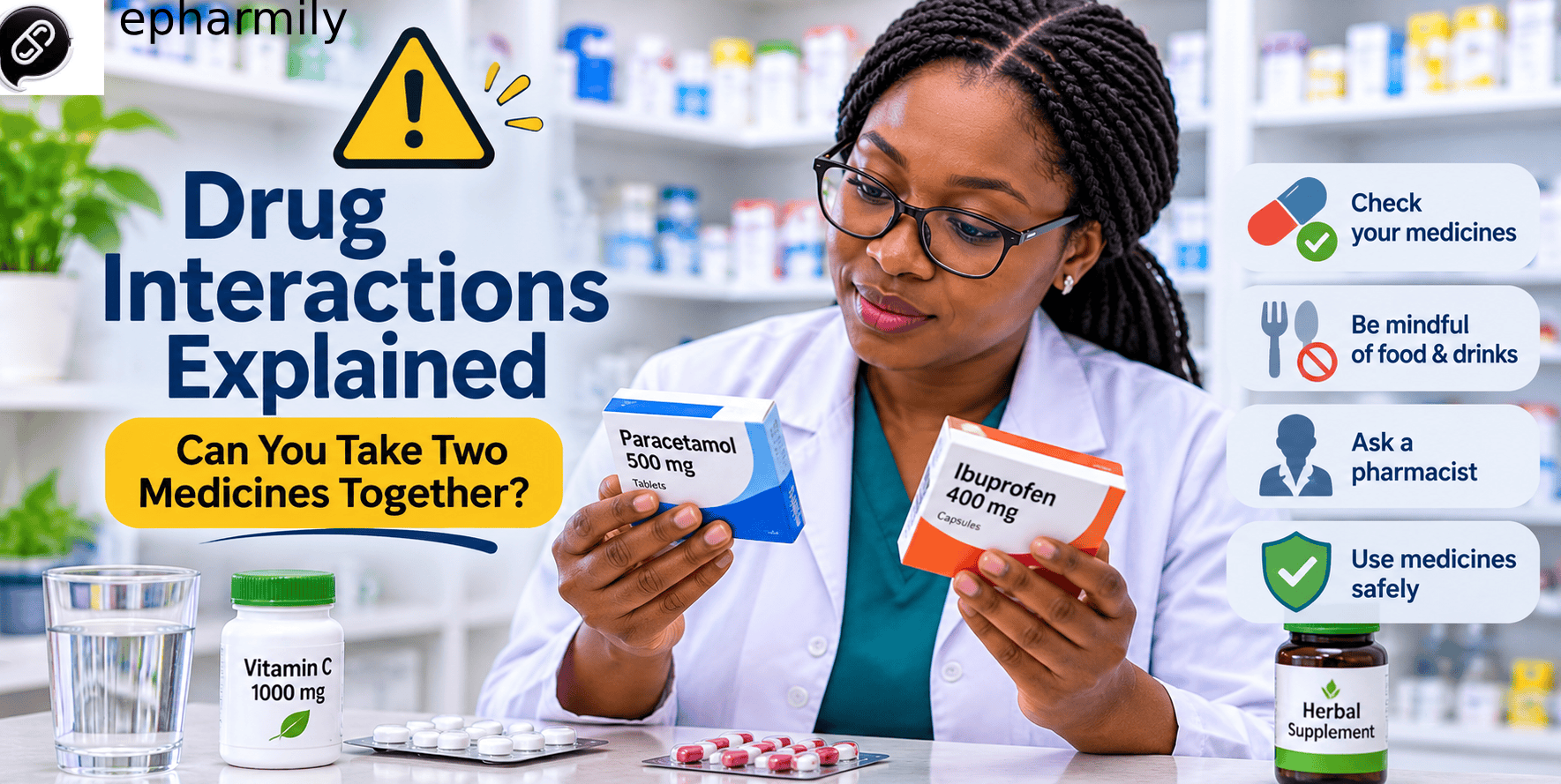
Taking more than one medicine is quite common. You might be using medication for an existing health condition and decide to take a painkiller for a headache. Or perhaps you want to combine a prescribed medicine with a vitamin or herbal supplement.
But have you ever stopped to consider whether those products are safe to take together?
Some medicines can affect how others work in the body. When this happens, it is known as a drug interaction. Depending on the combination, one medicine may become less effective, its side effects may increase, or an entirely new reaction may occur.
This does not mean that taking two or more medicines together is always dangerous. In fact, healthcare professionals sometimes prescribe different medicines together as part of a treatment plan. The important thing is knowing which combinations are safe and which ones require caution.
Let's take a closer look at drug interactions, some common examples, and how you can avoid problems when using medicines.
1. What Are Drug Interactions?
A drug interaction happens when a medicine is affected by another medicine, food, drink, supplement, or an existing health condition.
In simple terms, something else changes the way a medicine works in your body.
This can happen in different ways. For example, an interaction may:
-
Reduce how well a medicine works.
-
Increase the amount of a medicine in your bloodstream.
-
Make certain side effects worse.
-
Cause an unexpected reaction.
Not all drug interactions are harmful. Some are expected and carefully managed by healthcare professionals. However, others can affect your treatment or put your health at risk.
This is why it is important to check before combining medicines, even when they are readily available without a prescription.
2. What Are the Different Types of Drug Interactions?
Drug interactions are not limited to taking two medicines together. They can also involve the food you eat, the drinks you consume, and even certain health conditions.
Here are the main types to know about.
Drug–Drug Interactions
This happens when two or more medicines affect each other's actions.
For example, taking two medicines that cause drowsiness may make you excessively sleepy or affect your ability to concentrate.
Some combinations may also increase the risk of bleeding or cause other unwanted effects.
This is one reason you should tell your pharmacist about all the medicines you are currently taking before starting something new.
Drug–Food Interactions
Have you ever noticed that some medicines come with instructions about what to eat or drink while taking them?
That's because certain foods can affect how medicines are absorbed or processed by the body.
Grapefruit, for instance, can interact with some medicines and increase the amount of the medicine in the bloodstream.
Food can also affect how well certain medicines are absorbed, which is why some are taken with meals while others are taken on an empty stomach.
Drug–Alcohol Interactions
Alcohol and certain medicines do not always mix well.
Combining alcohol with some medicines can increase drowsiness, dizziness and poor coordination. In some cases, the effects can be much more serious.
This is particularly important with certain sleeping medicines, antihistamines, pain medicines and medications used for anxiety.
If your medicine label advises you to avoid alcohol, take that warning seriously.
Drug–Supplement Interactions
Vitamins and herbal supplements can also interact with medicines.
For example, St. John's wort, an herbal supplement, can affect how the body processes several prescription medicines and may reduce their effectiveness.
So, even if a product is labelled natural, it does not automatically mean it is safe to combine with medication.
Always mention any supplements you use when speaking with your pharmacist or doctor.
Drug–Condition Interactions
Sometimes, an existing health condition can affect whether a particular medicine is suitable for you.
For example, some medicines used to relieve nasal congestion may raise blood pressure and may not be appropriate for people with certain cardiovascular conditions.
This is why your medical history matters when a healthcare professional recommends a medicine.
3. Common Examples of Drug Interactions
Drug interactions can happen in everyday situations, sometimes without people realizing it.
Here are a few examples worth knowing.
Drug interactions can happen in everyday situations, sometimes without people realizing it.
Here are a few examples worth knowing.
Painkillers and Blood Thinners
Some painkillers, particularly non-steroidal anti-inflammatory drugs (NSAIDs), can increase the risk of bleeding when taken with blood-thinning medicines.
This does not mean that everyone taking blood thinners must avoid every painkiller. However, it is important to check with a healthcare professional before adding one to your treatment.
Medicines That Cause Drowsiness
Some allergy medicines, sleeping tablets and other medications can make you feel sleepy.
Taking several medicines with similar effects may increase drowsiness and affect your coordination and alertness.
If a medicine makes you sleepy, avoid driving or operating machinery until you know how it affects you.
Cold and Flu Medicines
This is an interaction risk that people sometimes overlook.
Many cold and flu products contain more than one active ingredient. Some contain paracetamol alongside other ingredients for relieving symptoms.
If you take one of these products and then take another medicine containing paracetamol, you could accidentally exceed the recommended amount.
Always check the ingredients before combining cold, flu or pain-relief medicines.
The takeaway: Never assume that two medicines are safe together simply because they are sold under different brand names.
4. Can Food and Drinks Affect Your Medicines?
Yes. What you eat and drink can sometimes change how a medicine works.
Some examples include:
Grapefruit and grapefruit juice🍇: Grapefruit can interfere with enzymes responsible for processing certain medicines. This may increase the amount of those medicines in the bloodstream and raise the risk of side effects.
Alcohol🍺: Alcohol can increase the effects of some medicines, particularly those that cause drowsiness or affect the central nervous system.
Milk and calcium-rich products🥛: Calcium can affect the absorption of certain medicines, including some antibiotics. Depending on the medicine, you may need to separate the timing of your medication and calcium-containing products.
These interactions do not apply to every medicine. Check the instructions on your particular medicine or ask a pharmacist if you are unsure.
5. Can Vitamins and Herbal Supplements Interact With Medicines?
Yes, and this is something many people overlook.
You may think that taking a vitamin or herbal supplement alongside your regular medication is harmless. However, some supplements can change how medicines work.
For instance, St. John's wort can reduce the effectiveness of several medicines by increasing how quickly the body breaks them down.
Other supplements may increase the risk of side effects or affect blood clotting.
If you use any of the following, make sure your pharmacist knows:
-
Multivitamins.
-
Herbal preparations.
-
Traditional medicines.
-
Iron and calcium supplements.
-
Weight-management products.
-
Supplements marketed for energy or general wellness.
It is always better to mention what you are taking than to assume it cannot affect your treatment.
6. What Are the Signs of a Possible Drug Interaction?
Not every drug interaction produces noticeable symptoms. Some are only discovered during medical assessments or laboratory tests.
However, depending on the medicines involved, possible warning signs may include:
-
Unusual or excessive sleepiness.😴
-
Dizziness or fainting.😵
-
Nausea or vomiting.🤮
-
Unexpected bruising or bleeding.🩸
-
A fast or irregular heartbeat.
-
New or worsening side effects.
-
Changes in how well an existing health condition is controlled.
These symptoms can also be caused by other health problems, so experiencing one does not automatically mean you have a drug interaction.
If you notice something unusual after starting a new medicine or combining products, speak with a healthcare professional.
If you experience difficulty breathing, swelling of the face or throat, collapse, or severe bleeding, seek emergency medical attention immediately.
7. Who Is More Likely to Experience Drug Interactions?
Anyone taking medication can experience a drug interaction. However, some people may have a higher risk.
These include:
-
People taking several medicines at the same time.
-
Older adults who may use medication for multiple health conditions.
-
People combining prescription and over-the-counter medicines.
-
Individuals who use herbal preparations alongside regular medication.
-
People with certain kidney or liver conditions that affect how medicines are processed.
-
Those who receive prescriptions from different healthcare professionals without sharing their complete medication history.
If you take several medicines regularly, having your medication reviewed by a pharmacist from time to time can help identify possible problems.
8. How Can You Prevent Drug Interactions?
The good news is that many potential drug interactions can be avoided or managed with a few simple habits.
Keep a Record of Your Medicines
Write down the names of your medicines, their strengths, and how often you take them.
Remember to include vitamins, supplements and herbal products.
Having this information available makes it easier for your pharmacist or doctor to review your medication.
Always Read the Medicine Label
Before taking a new medicine, check its active ingredients, dosage instructions and warnings.
Pay particular attention when using combination products for cold, flu, allergies or pain relief.
Ask Before Combining Medicines
If you are already taking medication and want to add another product, check with your pharmacist first.
This applies to prescription medicines, over-the-counter products and supplements.
Tell Your Pharmacist About Your Medical History
Certain health conditions can affect which medicines are suitable for you.
Let your pharmacist know about any existing conditions, allergies and previous reactions to medicines.
Avoid Sharing Prescription Medicines
A medicine prescribed for another person may not be suitable for you, even if you appear to have similar symptoms.
Your age, medical history, other medicines and individual health needs all matter.
Do Not Change Your Medication Without Advice
If you discover that two of your medicines may interact, do not stop taking either one or change the dose on your own.
Speak with your pharmacist or prescribing doctor. They can determine whether the combination is appropriate or whether an alternative is needed
9. What Should You Do If You Suspect a Drug Interaction?
If you think two medicines may be affecting each other, there is no need to panic. However, you should take the concern seriously.
Here is what to do:
-
Check the labels: Look for warnings about interactions and possible side effects.
-
Make a list📃: Write down the names and doses of the medicines involved.
-
Contact a pharmacist or doctor👨⚕️: Explain what you have taken and when you started using the medicines.
-
Mention any symptoms: Describe any unusual changes you have noticed.
-
Follow professional advice: Do not stop, increase or reduce your medication without guidance.
If you suspect an overdose or experience severe symptoms, seek urgent medical attention rather than waiting for a routine appointment.
10. When Should You Speak to a Pharmacist?
You do not have to wait until something goes wrong before asking a pharmacist about your medicines.
In fact, it is better to ask questions before starting a new treatment.
Consider speaking to a pharmacist if:
-
You want to take two or more medicines together.
-
You are unsure whether a medicine should be taken with food.
-
You regularly use vitamins or herbal supplements.
-
You experience unexpected side effects.
-
You take several medicines for different health conditions.
-
You are unsure whether an over-the-counter medicine is suitable for you.
A pharmacist can review your medicines, explain possible interactions and help you understand how to use them safely.
❗Taking more than one medicine is sometimes necessary, but it is important to understand how those medicines may affect each other.
Drug interactions can change how well a medicine works, increase side effects or sometimes lead to serious health problems. They can also involve everyday things such as food, alcohol and herbal supplements.
Before adding a new medicine to your routine, take a moment to check its ingredients and instructions. If you are unsure, speak with a pharmacist.
A simple question before taking a medicine can help prevent a much bigger problem later.
Medical Disclaimer❗❗
This article is intended for general educational purposes only. It does not replace professional medical advice, diagnosis or treatment. Always consult a qualified healthcare professional or pharmacist before starting, stopping or combining medicines.