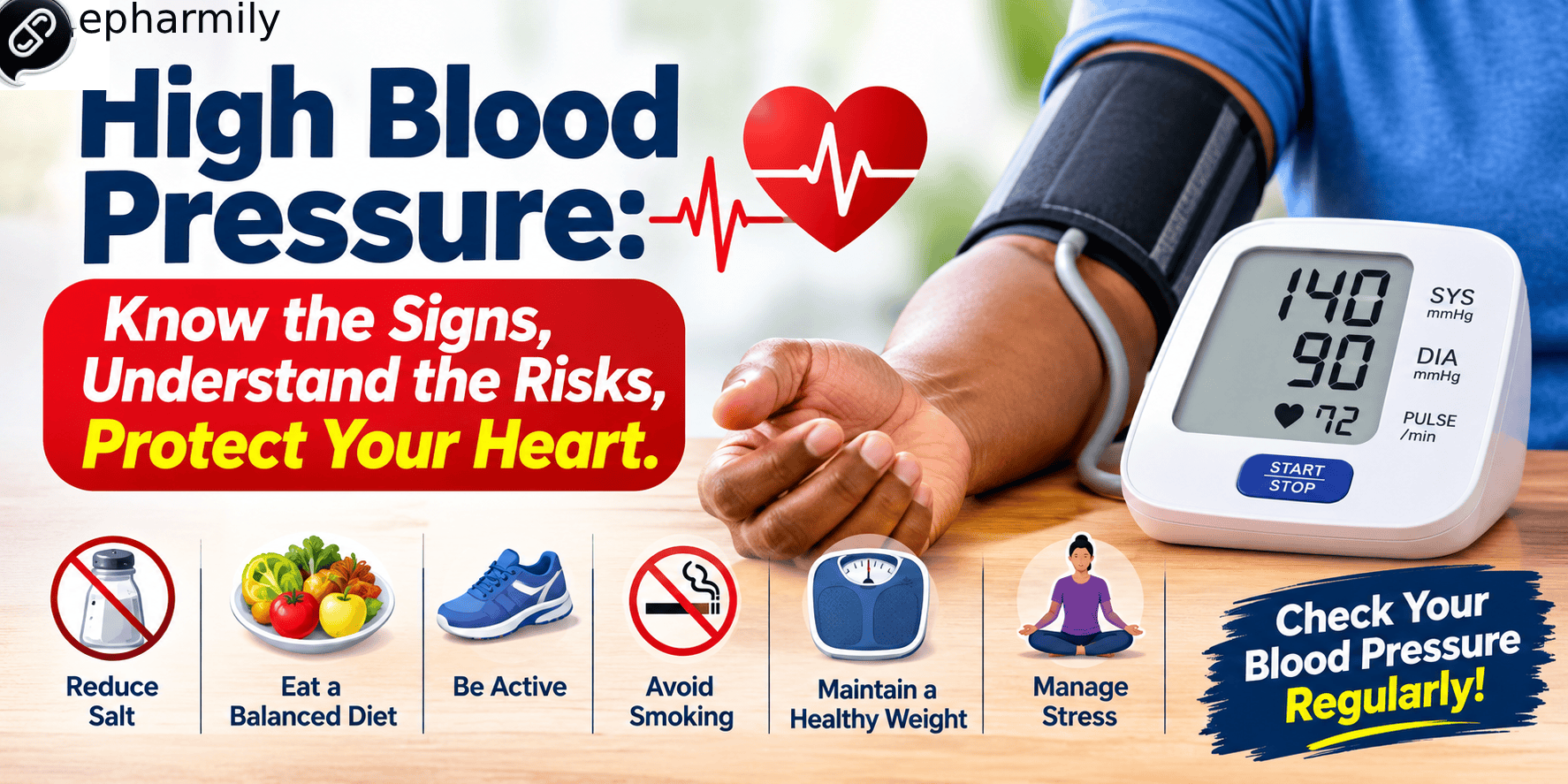
High blood pressure, also known as hypertension, is one of the most common health conditions affecting adults worldwide. It occurs when the pressure of blood against the walls of the arteries remains consistently higher than normal.
Although hypertension is often associated with older adults, it can affect younger people too. One of its greatest challenges is that many people have no noticeable symptoms and may not realise they have the condition until complications develop.
Understanding the causes, risk factors, and prevention of high blood pressure is important for protecting your heart, kidneys, and overall health.
In this article, we explain what high blood pressure means, how to recognize possible warning signs, and what you can do to reduce your risk.
1. What Is High Blood Pressure?
🩸 Blood pressure is the force exerted by circulating blood against the walls of the arteries as the heart pumps blood around the body.
A blood pressure reading consists of two numbers, usually written as 120/80 mmHg.
Systolic pressure: The upper number. It measures the pressure in the arteries when the heart contracts and pumps blood.
Diastolic pressure: The lower number. It measures the pressure in the arteries when the heart relaxes between beats.
The unit mmHg means millimetres of mercury.
According to the World Health Organization (WHO), hypertension in adults is generally diagnosed when blood pressure is consistently 140/90 mmHg or higher, based on measurements taken on different days.
However, some clinical guidelines use lower thresholds to identify high blood pressure. Your healthcare professional will interpret your readings according to the applicable guidelines and your individual health circumstances.
A single elevated reading does not necessarily mean you have hypertension. Proper assessment and repeated measurements are important.
2. What Are the Early Signs and Symptoms of High Blood Pressure?
One of the most important things to understand about hypertension is that it usually has no noticeable symptoms.
Many people with high blood pressure feel completely normal, even when their readings are significantly elevated. This is why hypertension is often called a “silent killer.”
The only reliable way to know whether your blood pressure is high is to have it measured.
When blood pressure becomes extremely high, some people may experience:
-
Severe headaches
-
Chest pain
-
Shortness of breath
-
Blurred vision or other changes in vision
-
Dizziness
-
Nausea or vomiting
-
Confusion
-
Weakness or difficulty speaking.
These symptoms are not specific to hypertension and may indicate other serious medical conditions.
3. What Causes High Blood Pressure?
In many people, hypertension develops gradually over time without one clearly identifiable cause. This is known as primary or essential hypertension.
Several factors can contribute to its development, including:
Unhealthy dietary habits
Consuming excessive amounts of salt can contribute to high blood pressure. Diets high in unhealthy fats and low in fruits and vegetables may also increase cardiovascular risk.
Physical inactivity
A sedentary lifestyle can contribute to weight gain and increase the risk of hypertension.
Excess body weight
Being overweight or obese can place additional strain on the cardiovascular system and increase the likelihood of developing high blood pressure.
Age and family history
The risk of hypertension generally increases with age. Having close relatives with high blood pressure may also increase your risk.
Certain medical conditions
Conditions such as diabetes and kidney disease can increase the risk of hypertension.
Other contributing factors
Smoking, excessive alcohol consumption, prolonged stress, and certain medications may contribute to elevated blood pressure.
Some people develop secondary hypertension, which results from an underlying medical condition or medication. Identifying and treating the underlying cause may help improve blood pressure.
4. Who Is at Risk of Developing High Blood Pressure?
Although anyone can develop hypertension, certain factors may increase the likelihood of developing it.
People at higher risk include:
-
Adults, particularly older adults
-
Individuals with a family history of hypertension
-
People who are overweight or obese
-
Individuals who consume excessive salt
-
People who do not engage in regular physical activity
-
Individuals with diabetes or kidney disease
-
People who smoke or consume excessive alcohol.
Having one or more risk factors does not automatically mean you will develop hypertension. However, understanding your risk can help you take preventive measures early.
5. Why Is High Blood Pressure Dangerous?
When blood pressure remains elevated over time, it places additional strain on the heart and blood vessels.
If left uncontrolled, hypertension can damage important organs and increase the risk of serious health complications.
Heart disease
The heart may have to work harder to pump blood, increasing the risk of heart failure and other cardiovascular conditions.
High blood pressure can damage blood vessels in the brain and increase the risk of stroke.
Kidney damage
Hypertension can damage the blood vessels in the kidneys, affecting their ability to filter waste and excess fluid from the body.
Vision problems
Damage to the blood vessels in the eye may lead to vision changes and other complications.
Other cardiovascular complications
Uncontrolled hypertension can increase the risk of heart attack and other serious cardiovascular diseases.
The good news is that early detection, appropriate treatment, and healthy lifestyle changes can significantly reduce these risks.
6. How Can You Prevent High Blood Pressure?
Although some risk factors cannot be changed, several lifestyle habits can help prevent or reduce high blood pressure.
- Reduce your salt intake 🍲
Excessive salt consumption can contribute to hypertension.
Try to:
-
Reduce the amount of salt added during cooking.
-
Limit highly salted foods and seasonings.
-
Check food labels for sodium content.
-
Choose fresh foods more often instead of heavily processed alternatives.
The WHO recommends that adults consume less than 2,000 mg of sodium daily, equivalent to less than 5 grams of salt.
Remember that sodium and salt are not the same thing: salt contains sodium, so the recommended sodium limit corresponds to a larger amount of salt.
- Eat a balanced diet 🍲
A healthy diet supports cardiovascular health and can help control blood pressure.
Include more:
-
Fruits and vegetables
-
Whole grains
-
Beans and other legumes
-
Fish and other suitable protein sources
-
Foods containing healthy fats
-
Try to limit excessive salt, saturated fats, and trans fats.
- Engage in regular physical activity 🏃
Regular exercise helps maintain a healthy weight and supports cardiovascular health.
Activities such as walking, swimming, cycling, dancing, and other moderate exercises can be beneficial.
The WHO recommends that adults aim for at least 150 minutes of moderate-intensity aerobic physical activity per week, where appropriate for their health and fitness level.
If you have an existing medical condition or are unsure which activities are suitable, speak with a healthcare professional before starting a new exercise programme.
- Maintain a healthy weight 🏋️
If you are overweight, gradual and sustainable weight loss may help reduce blood pressure.
Healthy eating and regular physical activity are important components of weight management.
- Avoid smoking 🚭
Smoking damages blood vessels and increases cardiovascular risk.
Avoid tobacco products and seek support if you need help quitting.
- Limit alcohol consumption 🍻
Excessive alcohol consumption can increase blood pressure and contribute to other health problems.
Reducing or avoiding alcohol can support cardiovascular health.
- Manage stress and get adequate sleep 🛏️
Chronic stress and poor sleep may contribute to unhealthy habits and increased cardiovascular risk.
Practice healthy stress-management techniques such as regular physical activity, relaxation, and maintaining a consistent sleep routine.
7. Why Is Regular Blood Pressure Checking Important?
Because hypertension often has no symptoms, regular blood pressure checks are essential for early detection.
You can have your blood pressure measured at:
-
Hospitals and clinics
-
Primary healthcare centres
-
Appropriate pharmacies
-
Home, using a validated blood pressure monitor.
For a more reliable reading:
-
Avoid smoking, caffeine, and exercise for about 30 minutes before measuring.
-
Sit quietly for at least five minutes.
-
Keep your back supported and feet flat on the floor.
-
Rest your arm at heart level.
-
Take the measurement without talking.
-
Take additional readings as recommended and record the results.
If your readings are repeatedly elevated, arrange an assessment with a healthcare professional.
Regular screening is particularly important if you have risk factors such as a family history of hypertension, diabetes, or kidney disease.
8. Can High Blood Pressure Be Treated? 🤔
Yes. High blood pressure can often be controlled through lifestyle changes and, when necessary, medication.
Treatment depends on the individual's blood pressure readings, age, overall health, other medical conditions, and cardiovascular risk.
A healthcare professional may recommend:
-
Lifestyle modifications
-
Regular blood pressure monitoring
-
One or more prescription medications
-
Follow-up appointments to assess treatment effectiveness
Common classes of blood pressure medicines include:
-
ACE inhibitors
-
Angiotensin II receptor blockers (ARBs)
-
Calcium channel blockers
-
Diuretics
These medicines work in different ways to lower blood pressure.
📌 Never start, stop, share, or change your blood pressure medication without consulting your healthcare professional.
If you experience side effects or have concerns about your medication, speak with your Pharmacist or Prescriber. 🧑⚕️👩⚕️
Even when your blood pressure improves, you may still need continued treatment and monitoring.
9. When Should You Seek Medical Attention?
You should arrange a medical assessment if:
-
Your blood pressure readings are repeatedly higher than normal.
-
You have been diagnosed with hypertension but are not receiving appropriate follow-up.
-
You experience persistent headaches or other concerning symptoms.
-
You have diabetes, kidney disease, or other conditions that may increase your cardiovascular risk.
🤔 If your blood pressure is above 180/120 mmHg, wait at least one minute and repeat the measurement if possible.
😱 If it remains this high and you experience chest pain, shortness of breath, weakness, numbness, vision changes, or difficulty speaking, seek emergency medical care immediately.
😰 If it remains this high without these symptoms, contact a healthcare professional urgently for guidance.
☠️ Do not delay emergency care to take another reading if you are already experiencing severe symptoms.
👌 Summary:
High blood pressure is a common but potentially serious condition that can affect people of different ages. Because it often develops without noticeable symptoms, regular blood pressure checks are essential for early detection.
🏆Maintaining a balanced diet, reducing excessive salt intake, staying physically active, avoiding smoking, and managing your weight can help reduce your risk.
If you have hypertension, following your treatment plan and attending regular medical appointments can help prevent complications and protect your long-term health.
📌 Your blood pressure matters. Check it regularly, understand your numbers, and take steps towards a healthier heart. ❤️❤️❤️
Πηγές