
My 40-Years Journey as a Pharmacist: Lessons, Changes, & Advice for the Next Generation
Ads.
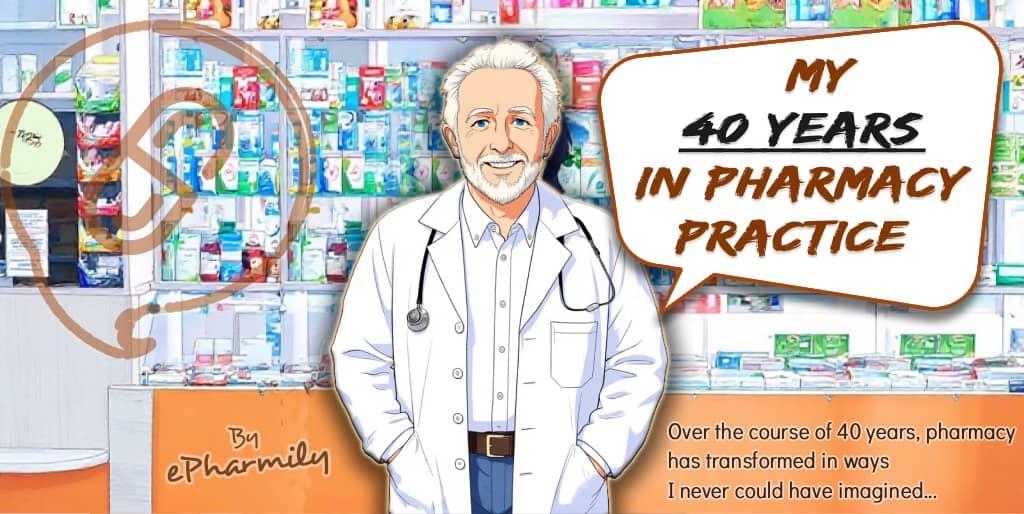
As I reflect on my journey over the last 40 years in the world of pharmacy, I can’t help but feel an overwhelming sense of gratitude and accomplishment.
From the early days of preparing medications by hand to the high-tech, data-driven landscape we navigate today, the evolution of pharmacy has been remarkable.
But beyond the advancements in technology, it’s the personal growth, patient relationships, and the joy of helping others that have truly shaped my career.
First, thanks to ePharmily for this opportunity. So in this blog, I’m sharing insights, experiences, and lessons learned throughout my career as a pharmacist.
Whether you’re a young pharmacist starting out or someone considering the field, I hope my journey offers some valuable takeaways.
The Early Years: A Foundation of Knowledge and Trust
I began my career in the early 1980s, at a time when pharmacy was still very much about handwritten prescriptions and manual compounding.
Back then, the role of the pharmacist was primarily focused on dispensing medications and providing basic advice on usage. While we had access to medical literature, technology was limited, and our decisions relied heavily on foundational knowledge and professional judgment.
In those days, relationships with patients were far more personal. Patients would often stop by for a chat while picking up their prescriptions.
I remember the satisfaction of being able to explain how medications worked in simple terms, helping people feel more confident in their treatments. It was an era of face-to-face consultations, and every patient interaction felt meaningful.
Adapting to Change: The Technological Revolution
One of the most profound changes I’ve witnessed over the years is the integration of technology into pharmacy practice.
The advent of electronic health records, online databases, and automated dispensing systems has dramatically transformed how we work.
The job of a pharmacist is no longer confined to just filling prescriptions. Today, we’re involved in complex medication therapy management, drug interaction checks, and patient safety programs.
The rise of digital tools and telehealth has empowered pharmacists to work more efficiently and reach a broader range of patients.
However, it has also introduced new challenges—staying updated on new drugs, guidelines, and regulations has become an ongoing task. Technology has undoubtedly made the field more dynamic, but it has also underscored the need for continuous learning.
What I’ve Learned Over 40 Years
1. Patience and Compassion are Key:
No matter how much technology advances, the human aspect of healthcare remains paramount.
Listening to your patients, understanding their concerns, and providing personalized advice is what makes a pharmacist truly effective.
Over the years, I've learned to always take the time to listen and offer not just medication, but empathy.
2. The Importance of Lifelong Learning:
Medicine and pharmacy are fields that never stand still. What we know today may change tomorrow, and what we thought was once the best solution may evolve into something new.
I learned early on that being a good pharmacist isn’t just about memorizing drugs and dosages; it’s about committing to lifelong learning.
Whether it’s attending continuing education seminars, reading up on the latest research, or talking to colleagues, staying informed is key to providing the best care possible.
3. The Power of Teamwork:
Pharmacists don’t work in a vacuum. In today’s healthcare environment, collaboration is essential.
I’ve worked alongside physicians, nurses, and other healthcare professionals, and what I’ve learned is that good communication and teamwork lead to better patient outcomes.
In the beginning, pharmacy was a more isolated role, but now we’re an integral part of multidisciplinary teams focused on patient-centered care.
4. Adaptability is Crucia :
The field of pharmacy is in constant flux, from changing drug formulary lists to evolving healthcare policies.
Over the years, I’ve had to adapt to new practice settings, different roles, and even changes in societal expectations.
Flexibility is vital. Embrace change, and you’ll be well-equipped to thrive in the future.
Advice to My Younger Self
If I could go back in time and give my younger self some advice, here’s what I would say:
Don’t be Afraid to Take Risks
In the early years, I played it safe, sticking closely to what I knew.
However, taking calculated risks—whether it was switching to a new area of pharmacy or pursuing advanced certifications—could have accelerated my growth and opened doors earlier.
Develop a Strong Professional Network
Building relationships with colleagues, mentors, and even other healthcare professionals will pay dividends in the long run.
Networking opens up opportunities for learning, growth, and support, and it’s something I wish I had focused on more early in my career.
Prioritize Self-Care
The work we do as pharmacists can be mentally and physically demanding.
Early on, I didn’t fully appreciate the importance of self-care and work-life balance.
Taking care of yourself ensures that you’re able to take care of others, so don’t neglect your own well-being.
Don’t Be Afraid to Speak Up
If you see a potential medication error, question something that doesn’t seem right, or feel strongly about a particular issue, speak up.
Early in my career, I might have been hesitant to question established practices, but over time I’ve learned the value of advocacy in ensuring patient safety.
Regrets (If Any)
If there’s one thing I regret, it’s not embracing new technologies sooner. When electronic prescribing and digital record-keeping first emerged, I was resistant.
I thought the traditional way of doing things worked just fine.
However, once I overcame my hesitations, I saw how these advancements could improve workflow efficiency and enhance patient care.
Change can be intimidating, but the sooner you embrace it, the better.
Looking to the Future
As I look toward the future, I see a healthcare system that is more integrated than ever.
Pharmacists are no longer just dispensers of medication; we are becoming key players in disease management, patient counseling, and public health initiatives.
The future of pharmacy is bright, especially with advancements in personalized medicine, pharmacogenomics, and AI-driven healthcare.
To the younger generation of pharmacists: this is an exciting time to be in the field. The opportunities for growth, innovation, and making a difference in people’s lives are vast.
Embrace the changes coming your way, continue to learn, and always remember why you chose this path in the first place—to help others.
Final Thoughts
Looking back, I am proud of the role I’ve played in healthcare and the relationships I’ve built with my patients and colleagues.
Over the course of 40 years, pharmacy has transformed in ways I never could have imagined, but the core values of compassion, care, and commitment to patients remain unchanged.
To anyone considering a career in pharmacy or a new graduate just starting out, my advice is simple: Stay curious, keep learning, and never underestimate the impact you can have on the lives of others.


Ads.
Ads.
الأقسام
إقرأ المزيد
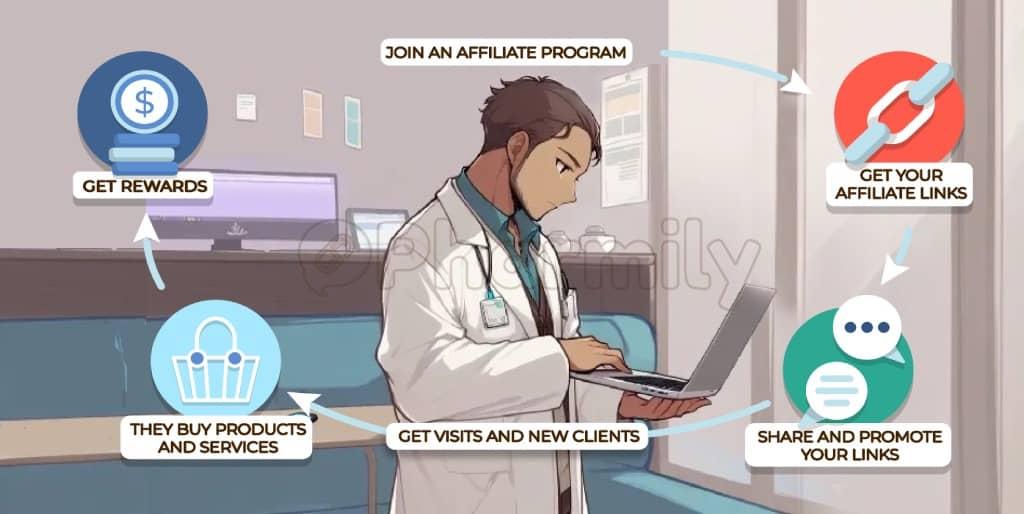
So your are a healthcare professional, and you stumbled on the word "Affiliate Marketing" or "Affiliate program" with trends that it would help you escape the 🐀 rat-race aka 9to5 work force. Hence, you said to yourself 🤔.... Why not give it a try🤷♂️. But now comes the big questions , "How to go about it ?🤷♀️", "What do i need to Know? 💡 ", "Is Affiliate Marketing...
Hi, I go by the name Pharm. KC, so its been 5years since I graduated from pharmacy School.. ( & about the name of my school, smiles…. Well, my school didn’t pay me to advertise for them, LOL. ) Back to the topic and a short history, hmm... back then in school, it alway felt like eternity, almost like my school was on a different timezone, from planet earth. Every once in a...

An id card or an identification card, as the name implies is used as a means of identification, just the same way an International passport serves as a means of identifying if an individual is a citizen of a country or not. In the professional world, identification cards (ID cards) plays a pivotal role in establishing credibility, security, and trust. For professionals...
Lets all meet Anna Rodriguez (32-year-old ), a determined and passionate healthcare professional who started her career as a nurse before eventually transitioning to become a licensed pharmacist in Canada. Anna’s inspiring career journey demonstrates the power of perseverance, self-discovery, curiosity, and a deep desire to help others in a way that aligns with her personal values. She...
In Nigeria, ensuring that your pharmacist or pharmacy is properly licensed is critical for your health and safety. The Pharmacy Council of Nigeria (PCN), a regulatory body overseeing pharmacy practice, provides tools to verify licenses and registrations. Whether you’re a patient, employer, or healthcare partner, this guide will walk you through the process step-by-step. ...