Common Medication Errors and How to Avoid Them
Ads.
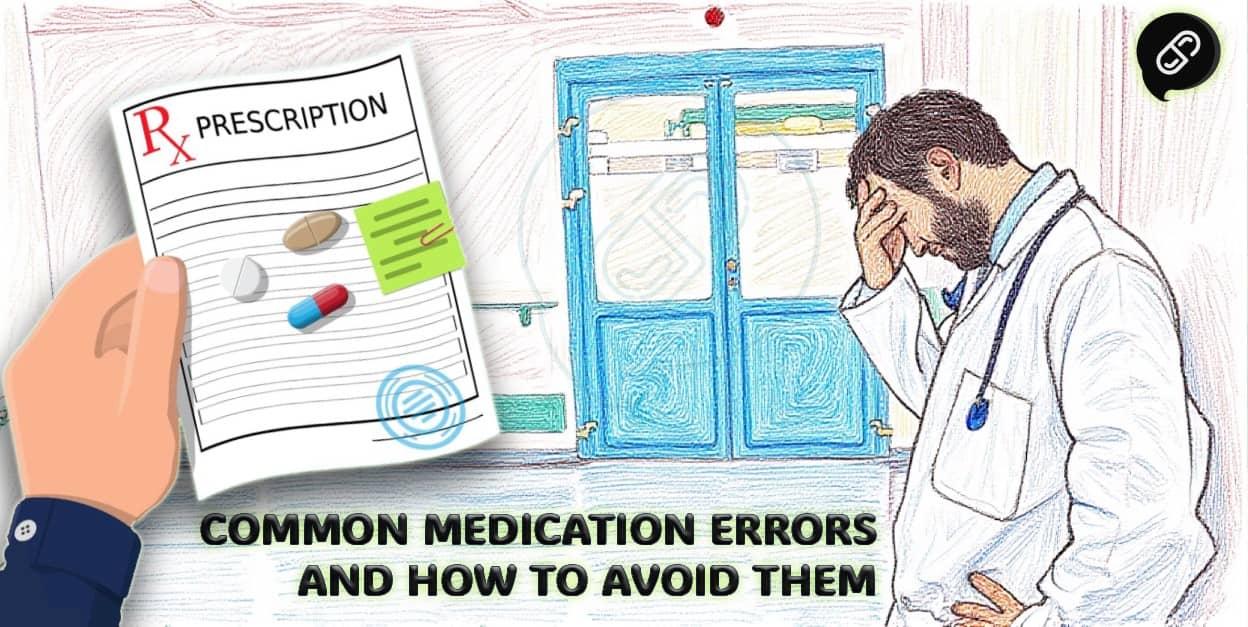
Medication errors remain one of the most serious yet preventable threats in modern healthcare. Whether in hospitals, pharmacies, or at home, these mistakes can lead to treatment failure, adverse drug reactions, or even death.
According to the World Health Organization, medication-related harm affects 1 in every 30 patients globally, with a significant proportion being severe or life-threatening.
Even more alarming, unsafe medication practices cost the world over $42 billion annually and account for a major share of preventable patient harm.
This blog guide provides a deep dive into medication errors, their causes, real-world impact, and—most importantly—how to prevent them.
What Are Medication Errors?
A medication error is defined as:
Any preventable event that may cause or lead to inappropriate medication use or patient harm - while the medication is in the control of the health care professional, patient, or consumer.
(According to the - National Coordinating Council for Medication Error Reporting and Prevention (NCC MERP)
Where Do Medication Errors Occur?
These errors can occur at any stage of the medication use process :
- Prescribing :- The doctor writes the wrong drug, dose, frequency, or route. (e.g., writing "10 mg" instead of "1.0 mg"; prescribing a drug the patient is allergic to)
- Transcribing :- A pharmacist or nurse misreads the handwriting on the prescription order.
- Dispensing :- The pharmacist pulls the wrong medication from the shelf or puts the wrong label on the bottle.
- Administration :- The nurse, caregiver, or patient takes the drug at the wrong time, via the wrong route (e.g., injecting an oral medication), or gives it to the wrong patient.
- Monitoring:- Failing to monitor lab results to adjust a dose (e.g., not checking kidney function before administering a nephrotoxic drug) or failing to recognize a side effect.
Types of Common Medication Errors
Understanding the types of errors is the first step to prevention.
1. Wrong Drug Error
Occurs when a patient receives a different medication than prescribed—often due to:
- Similar drug names (LASA: Look-Alike, Sound-Alike)
- Packaging confusion
2. Wrong Dose
Includes:
- Overdose → toxicity
- Underdose → treatment failure
This is one of the most dangerous error types.
3. Wrong Patient
Common in busy healthcare environments where patient identification is not verified properly.
4. Wrong Time
Taking medication:
- Too early Too late Missing doses
5. Wrong Route
Administering medication incorrectly:
- Oral instead of IV
- Topical instead of oral
- Insert instead of oral
6. Drug Interactions
Harmful combinations of:
- Prescription drugs
- OTC medications
- Supplements
7. Allergy-Related Errors
Failure to check patient allergies before prescribing.
8. Monitoring Errors
Failure to:
- Track side effects
- Adjust doses
- Monitor organ function
9. Dispensing Errors
Errors made at the pharmacy level, including:
- Incorrect labeling
- Wrong instructions
10. Patient Compliance Errors
Patients may:
- Forget doses
- Misunderstand instructions
- Self-medicate incorrectly
Real-Life Impact of Medication Errors
Medication errors can lead to:
- Hospital admissions
- Prolonged illness
- Disability
- Death
In fact, medication errors:
- Injure 1.3 million people annually in the U.S. alone
- Are linked to significant healthcare costs and legal consequences
👉 Beyond numbers, these errors erode trust in healthcare systems.
How to Avoid Medication Errors
Prevention requires a multi-layered approach involving healthcare professionals, patients, and technology.





Ads.
Ads.
Categories
Read More
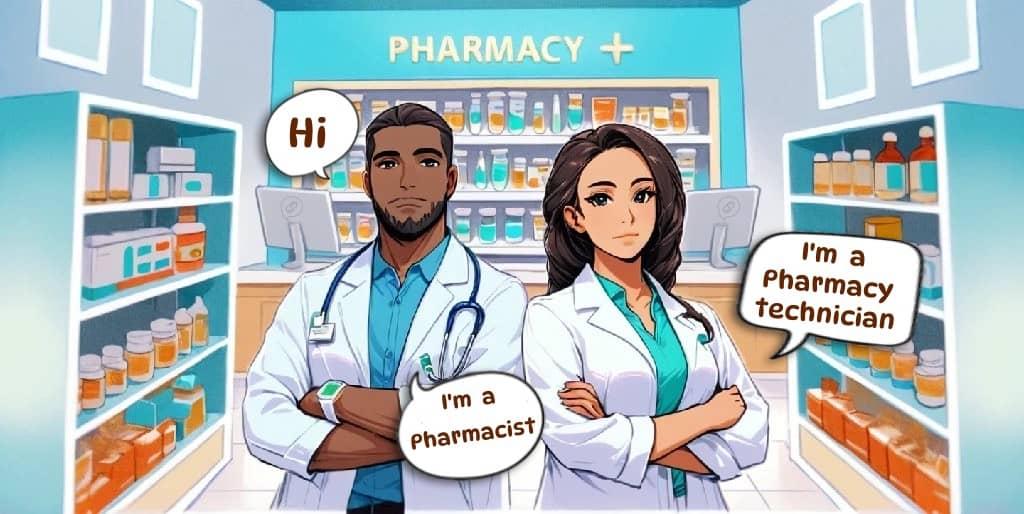
If you’ve ever walked into a pharmacy, you’ve likely interacted with both pharmacists and pharmacy technicians. While they work closely together to ensure patients receive the right medications, their roles, responsibilities, and career paths are quite different. Whether you’re considering a career in pharmacy or simply curious about how these professionals...
A Complete Guide to Registering as a Pharmacist in Australia: Pathways, Exams, and Fees Explained. As of 2026, becoming a pharmacist in Australia begins with choosing the right assessment pathway, which can cost between $1,910 and $3,355 and takes several months to complete. If you're a pharmacist trained outside of Australia or New Zealand, registering to practise here involves a...
Hello, I’’m Pharm. Osinahi E. I wish to share my journey, on what it’s like to be a hospital pharmacy intern. So It was 8:50am, on a cold Monday morning, when I walked into the hospital pharmacy for the first day of my internship, I had a mix of excitement and nerves swirled inside me. After years of studying pharmacy, this was my chance to put theory into practice....

Hmm, 'Pharma West Africa'—what’s that? I’ve never heard of it before. Is it some kind of medical event, a company, or maybe a new initiative in the healthcare sector? Honestly hearing the name makes me think it’s related to pharmaceuticals in West Africa, but I’m not entirely sure. Does it involve drug manufacturers, health policies, or maybe a big conference?...

Please note, that these questions, are rough collections of the real past pep exam questions and answers put together by pharmacists, that sat for the 2024 pep examination, held in all accredited centers in Nigeria. Full questions and answers are on the Pharmacy Quiz App. What is PEP Exam? PEP stands for “ Pre-registration examination for Pharmacists” in Nigeria. This examination...